Lancashire barns have a character all of their own, and Fair Oak Farm in Chipping is a perfect example of how these buildings tell the story of the county’s rural past.
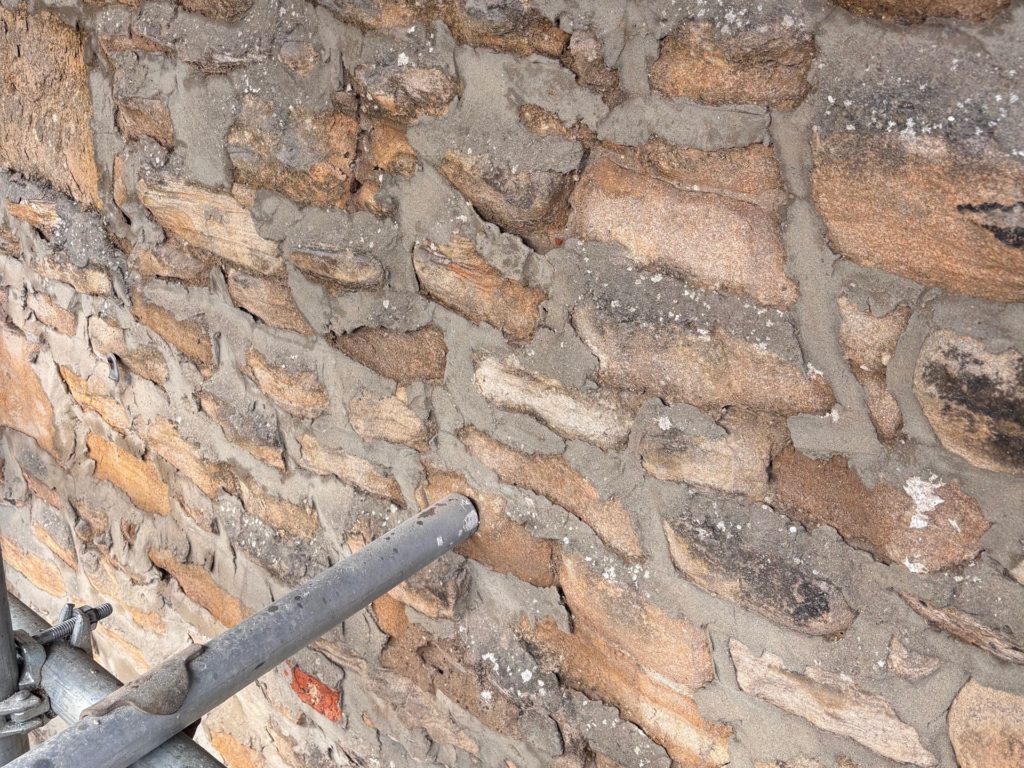
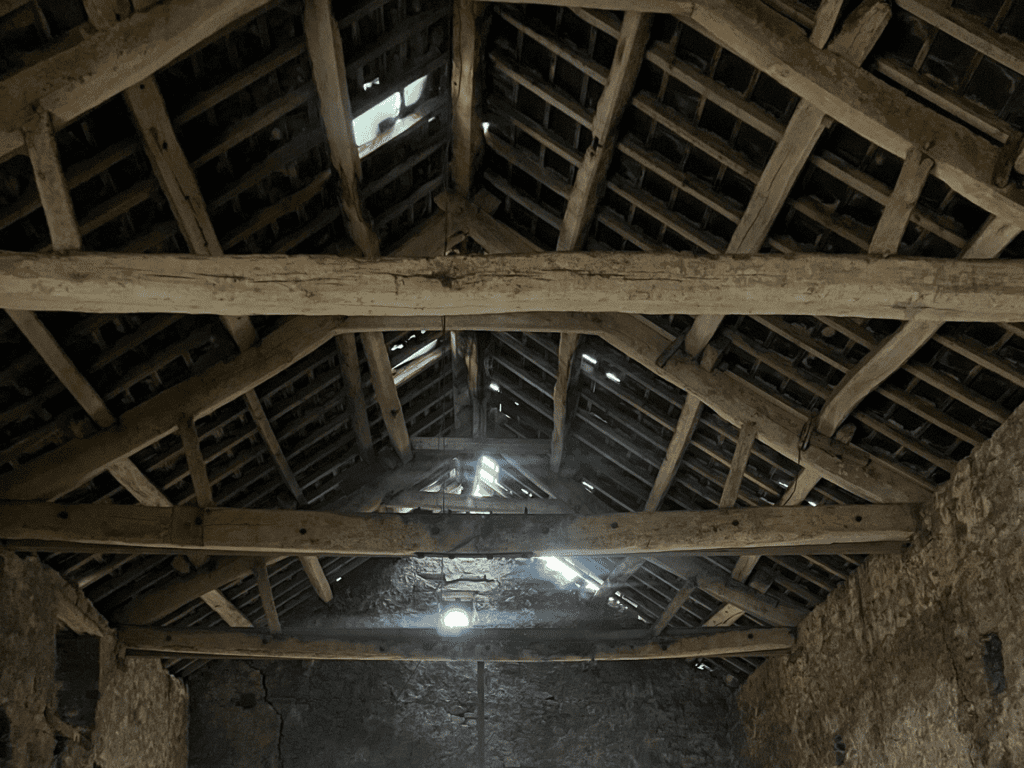
Their form is shaped by the landscape and the farming traditions that defined it: long, narrow plans to suit small valley plots, thick stone walls built from whatever was quarried nearby, and simple timber roofs designed to cope with wet winters and heavy winds rolling in from the fells.
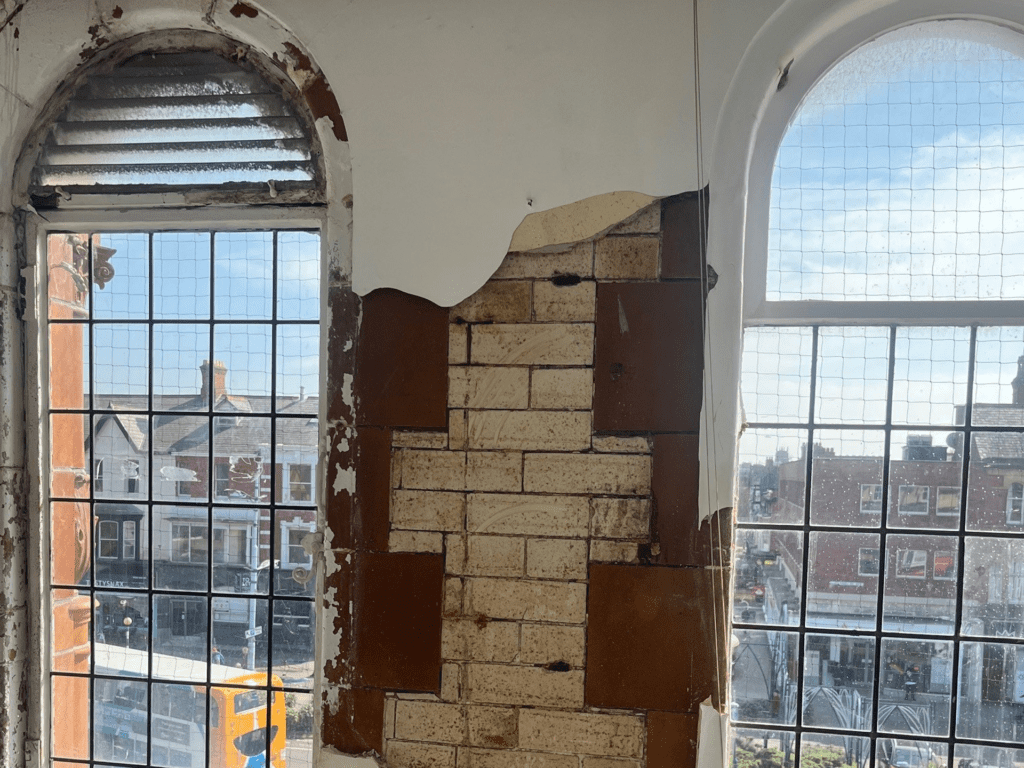
Many were multi‑purpose structures, shifting between livestock housing, hay storage and machinery over the decades, which is why their interiors often show layers of adaptation, blocked openings, reused timbers, patched stonework and the scars of generations of agricultural use.
What makes Lancashire barns so distinctive is their honesty: they were built for function, but with a quiet craftsmanship that still holds up a century or two later.
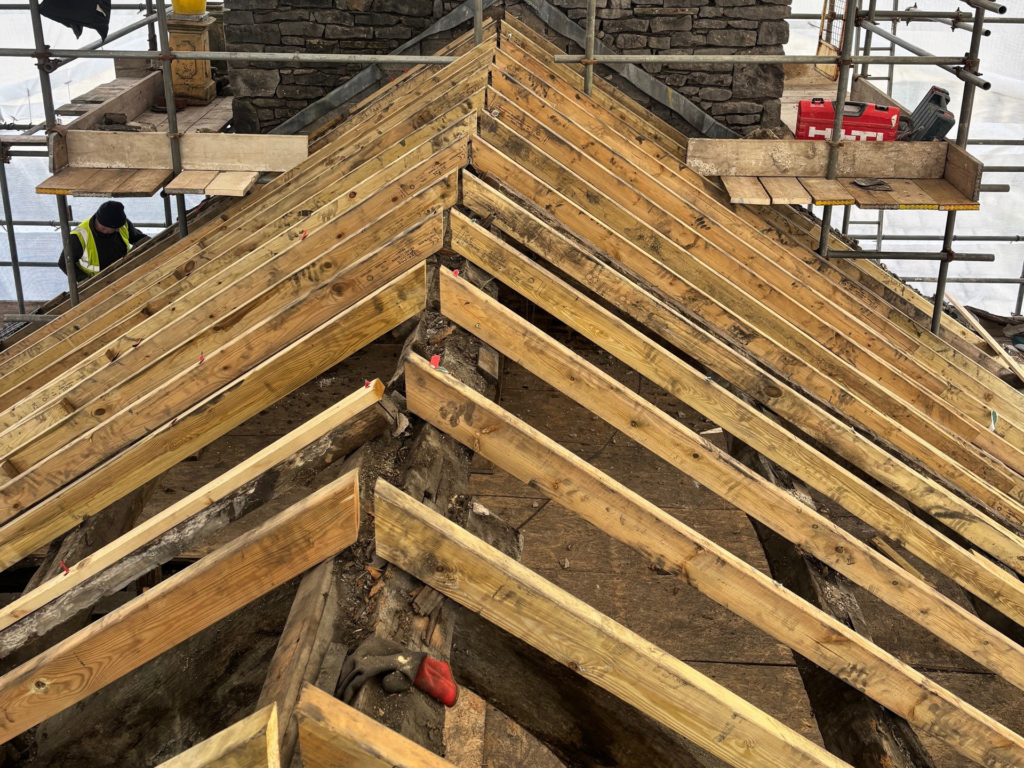
As more of these buildings fall out of agricultural use, conservation work becomes essential to retain their character while making them safe and usable again.
Visiting sites like Fair Oak Farm highlights just how important it is to understand the original construction, the local materials and the way these barns evolved, so that repairs respect the building rather than overwrite it.